Hedge Trimming in Peckham

Keeping hedges neat, even and healthy takes more than a quick pass with a cutter. Our hedge trimming in Peckham focuses on shaping, managing growth and maintaining a clean finish that suits the species, the season and the space available. We work on boundary hedges, front garden screens, formal shapes and mixed planting where careful reduction is needed rather than a heavy cut.
Well-timed trimming helps preserve structure and keeps growth under control without leaving the hedge ragged or thin. We pay attention to the plant’s natural habit, aiming for an even profile and a finish that supports regrowth where it is wanted. If you need a tidy boundary, a lighter seasonal trim or a more substantial reduction, we can discuss the right approach and match the cut to the hedge.
For a clear quotation, start with a few details about the hedge height, length and access. You can also use our pricing and quotes page to prepare your request and make sure the scope is described clearly before we take it further.
Shaping and routine hedge maintenance
Routine hedge trimming is about keeping the line controlled before growth becomes difficult to manage. That can mean freshening the top, correcting uneven sides, or bringing back a hedge that has started to broaden beyond its intended width. Regular work usually gives the best visual result because the hedge is kept in shape without forcing large corrections later on.
Different hedges need different handling. Formal evergreen hedges often benefit from a crisp, repeated trim, while softer mixed hedges may need a gentler reduction to avoid exposing bare sections. We use the condition of the hedge, its density and the time of year to guide the cut, so the result looks deliberate rather than overworked. If you are planning broader outside care, our garden maintenance service can sit alongside hedge work where the garden benefits from a joined-up approach.
Good maintenance also considers what is happening around the hedge. New shoots, flowering periods and nearby planting can affect how much can be taken back in a single visit. In practical terms, the best outcome comes from steady management rather than waiting until the hedge has outgrown its space. If your boundary planting is becoming cumbersome, regular trimming can keep it easier to handle year after year.
Height reduction and restoring overgrown hedges

Some hedges need more than tidying. When growth has become too tall, too wide or uneven, a careful reduction can help bring the hedge back within bounds. That work needs judgement because an aggressive cut can leave thin patches or damage the shape for a long time. We aim to reduce size in a controlled way and keep as much healthy structure as possible.
Restoration work is often different from routine trimming. A hedge that has been neglected may need staged reduction rather than a single heavy cut, especially where the inner growth is sparse or where the hedge forms an important screen. We can assess whether it is suitable for a one-off reduction or better handled through gradual trimming. If the surrounding garden also needs clearing back, our garden clearance page may be useful when the aim is to remove broader overgrowth and reset the space.
We also take account of what sits below and beside the hedge. Roots, drains, fences and pathways can all influence how the work is planned, particularly where access is tight or the hedge runs close to property lines. A sensible reduction leaves the plant manageable and the garden easier to use, rather than simply taking the top off without a clear structure.
Boundary hedges, privacy screens and front garden lines
Hedges often do important everyday jobs: defining a boundary, softening a fence, screening a sitting area or giving a front garden a tidy edge. For those uses, trimming is not just cosmetic. It helps the hedge keep its shape, prevents encroachment and maintains the level of coverage that makes the planting useful. We work carefully where appearance and privacy both matter.
Front garden hedges usually need a cleaner finish because they are seen closely from the street, while longer boundary hedges may need an even line over a greater length. Either way, the cutting style should suit the hedge’s role. A neat upper line, balanced sides and consistent depth all help the hedge look intentional. If your outside space needs more than one kind of improvement, our landscape gardening services can be considered alongside trimming when the wider layout is also being reviewed.
Where hedges help separate neighbouring spaces, a careful approach is especially important. The right trim keeps the hedge within its space and helps avoid unnecessary disturbance. That can be particularly useful when a hedge has to remain dense enough to screen views but still be kept narrow enough not to dominate a path, drive or small garden.
Seasonal timing and the right finish for each hedge

The best time to trim depends on the hedge type and the result you want. Some hedges respond well to frequent light trims, while others benefit from one or two more considered cuts through the year. The aim is always to keep the hedge healthy and to avoid creating stress by removing too much at once. We can advise on a sensible trim level based on the hedge itself.
Seasonal timing matters because new growth, bird nesting considerations and the hedge’s own recovery cycle all affect the work. A lighter cut may be enough to tidy fresh growth, while older or denser hedges may need more attention to bring back a straight edge. If you want the rest of the garden kept in step with the hedge schedule, our lawn mowing service can be useful when the surrounding grass and edges need the same regular care.
Rather than aiming for a one-size-fits-all result, we adapt the finish to the hedge’s purpose. A clipped formal line calls for precision, while a softer garden hedge may look best with a slightly less rigid outline. That distinction matters because it keeps the hedge fitting the property instead of looking harsh or unfinished. A good trim should make the planting look settled, balanced and under control.
Hedge trimming and wider garden work
Many customers want hedge trimming to be part of a larger round of garden care. A hedge may need cutting back at the same time as lawns are tidied, borders are cleared or a tired corner is brought back under control. Coordinating those tasks can save repeated disruption and leave the whole area looking consistent, especially where the hedge frames other visible planting.
If the garden needs a fuller refresh, we can combine hedge work with other practical outdoor tasks rather than treating each feature in isolation. Our garden maintenance page gives a broader view of the kind of regular work that supports a tidy, manageable garden, while garden clearance is more suitable where growth, debris or old plant matter has built up and needs removing before finer detailing starts.
That wider perspective is useful because a hedge rarely sits alone. It may cast shade, create dropped clippings or restrict access to beds and edges, and those factors can affect how the rest of the garden is kept. With a joined-up approach, the hedge trim becomes part of a more workable outdoor space rather than an isolated task completed in the middle of other overgrowth.
What affects hedge trimming prices
Hedge trimming prices usually depend on practical factors rather than a simple one-size figure. Height, length, density and access all play a part, as does whether the hedge needs routine shaping or more involved reduction. A tall, thick or awkwardly positioned hedge generally takes longer to manage than a low, open one, so the scope of work matters to the quotation.
It also helps to know whether clippings need collecting and removing, whether the hedge is reachable from both sides, and whether there are obstacles such as fences, sheds or narrow paths. If you want to compare trimming with broader outdoor improvements, our landscaping service may be relevant where the hedge sits within a larger redesign or practical reworking of the space. For service details and quotation information, our pricing and quotes page is the best place to start.
When requesting a quote, a short description is usually enough to begin with, but it should cover the essentials. Mention the hedge’s approximate size, the type of trim you need and any access limitations. If anything is unusually close to walls, paving or boundary features, include that as well. Clear information helps the quotation reflect the actual job rather than an assumed standard visit.
How we prepare a hedge trimming request

A good enquiry makes it easier to understand what the hedge needs. Photos can be helpful, but they are not the only useful detail. A brief note on hedge height, length, whether the top and both sides need cutting, and whether the growth is routine or badly overgrown gives a much clearer picture. That keeps the conversation practical and focused on the real work.
If you are comparing services, it can also help to note whether the hedge is part of a broader tidy-up or a standalone job. For example, some gardens need hedge trimming on its own, while others benefit from additional care such as lawn mowing or a general garden maintenance visit. Where trees are also crowding the hedge line, our tree lopping and removal page may be relevant for separate work on branches or trunks that are affecting light and space.
Two simple details often make a request much easier to price: what the hedge is meant to look like, and how much of it needs work. If the hedge is mainly decorative, privacy-bearing or boundary forming, say so; each purpose affects the way the trim is approached. A few well-chosen notes save time and help the quotation reflect the right level of attention.
Supporting tools, access and site considerations
Access can shape the method as much as the hedge itself. Narrow side passages, shared paths, fragile planting and sloping ground can all affect how trimming is carried out and how clippings are handled. We think about the route to the hedge, the space needed to work safely and any points where care is needed around paving, fencing or garden features.
In some gardens, the hedge is straightforward to reach and the work can be completed efficiently. In others, the layout asks for a slower, more careful process so that the finish stays clean and the surrounding area is protected. If you are also planning decking or another outdoor feature nearby, our decking-services page may be useful for separate work that sits alongside hedge maintenance. The key point is that the hedge trim should fit the site, not force the site to fit the trim.
Where access is limited, it is better to mention that up front. A brief note about gates, steep steps or difficult reach helps avoid surprises and makes it easier to plan the work sensibly. That is especially important when a hedge runs the full length of a boundary and only part of it is easy to approach from one side.
About Peckham
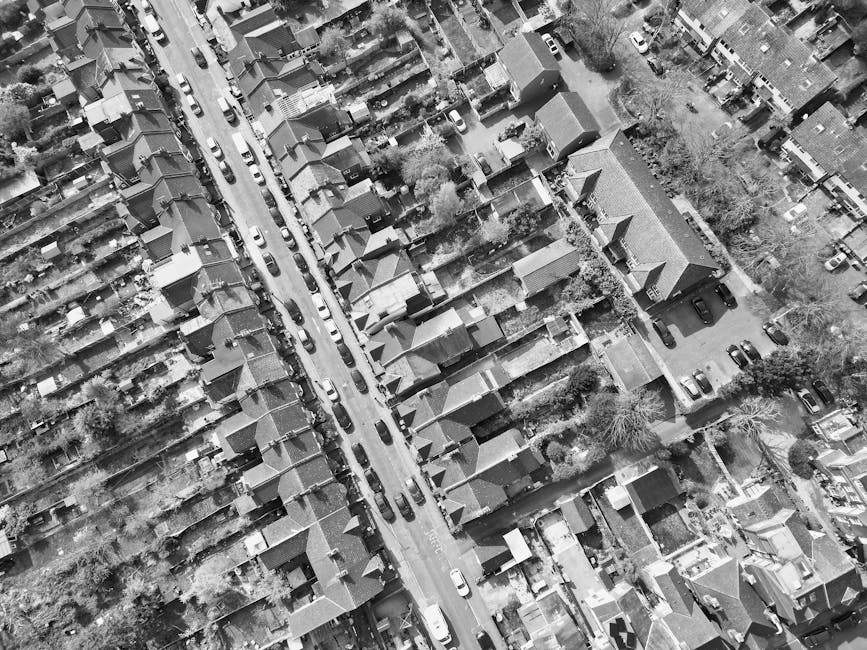
Peckham is a district in the London Borough of Southwark, in south-east London, with a long history that runs from rural settlement through to dense urban development. The area is known for Peckham Rye, a large open space that gives the district one of its most recognisable green focal points, and for the surrounding streets of mixed housing, shops and community buildings. Peckham Rye station links the area into London’s rail network, while the neighbourhood’s street pattern reflects layers of change rather than a single planned layout. Victorian and later terraced housing sits alongside post-war development, small commercial frontages and modern additions, creating a varied townscape that feels layered and practical rather than uniform. Rye Lane is a major local high street, and the area has long supported a busy everyday commercial life, with markets, independent businesses and food culture contributing to its character. Cultural venues and public spaces have also become part of Peckham’s identity, with galleries, leisure destinations and community uses giving the district a distinctive urban energy. The name itself is older than many of the surrounding buildings, and that contrast between historic roots and ongoing change is visible across the area. Open spaces, residential streets and transport connections all sit close together, so the district works as a compact and active part of inner London.
Trimming options for different hedge types

Not every hedge is handled in the same way. Evergreen hedges usually need regular shaping to preserve a tight outline, while deciduous hedges may be cut differently depending on how they flower and how quickly they regrow. Mixed planting can be more variable still, with some sections needing more restraint than others. The work should reflect the species rather than forcing all hedges into the same pattern.
Formal hedges often benefit from a clean, straight cut that keeps the lines sharp and balanced, whereas informal hedges may suit a softer finish that looks natural in the garden. In either case, the aim is to keep the hedge healthy, controlled and visually coherent. If you are planning more structural changes around the same space, our landscape gardening service can be relevant where planting, layout and hard features are being adjusted together.
When you are ready to request a quotation, contact us with the hedge details and the kind of finish you want. If you prefer, you can also mention whether the hedge is part of a larger maintenance visit so the scope can be assessed properly from the start.